Is the Ice Cave in Iceland Worth It?
The blue is real and unforgettable. The catch is that a natural cave is a separate winter tour, weather-dependent, and not part of any lagoon day trip.
 Written with Björn Einarsson, Iceland South Coast & glacier-lagoon tour guide and local specialist
Short answer
Yes, a natural blue ice cave is worth it for the colour alone, a sight you cannot get anywhere else. The caveats are real: it runs only in winter, cancels for weather, gets crowded in the popular caves, costs extra, and demands a certified guide. Book it as its own trip.
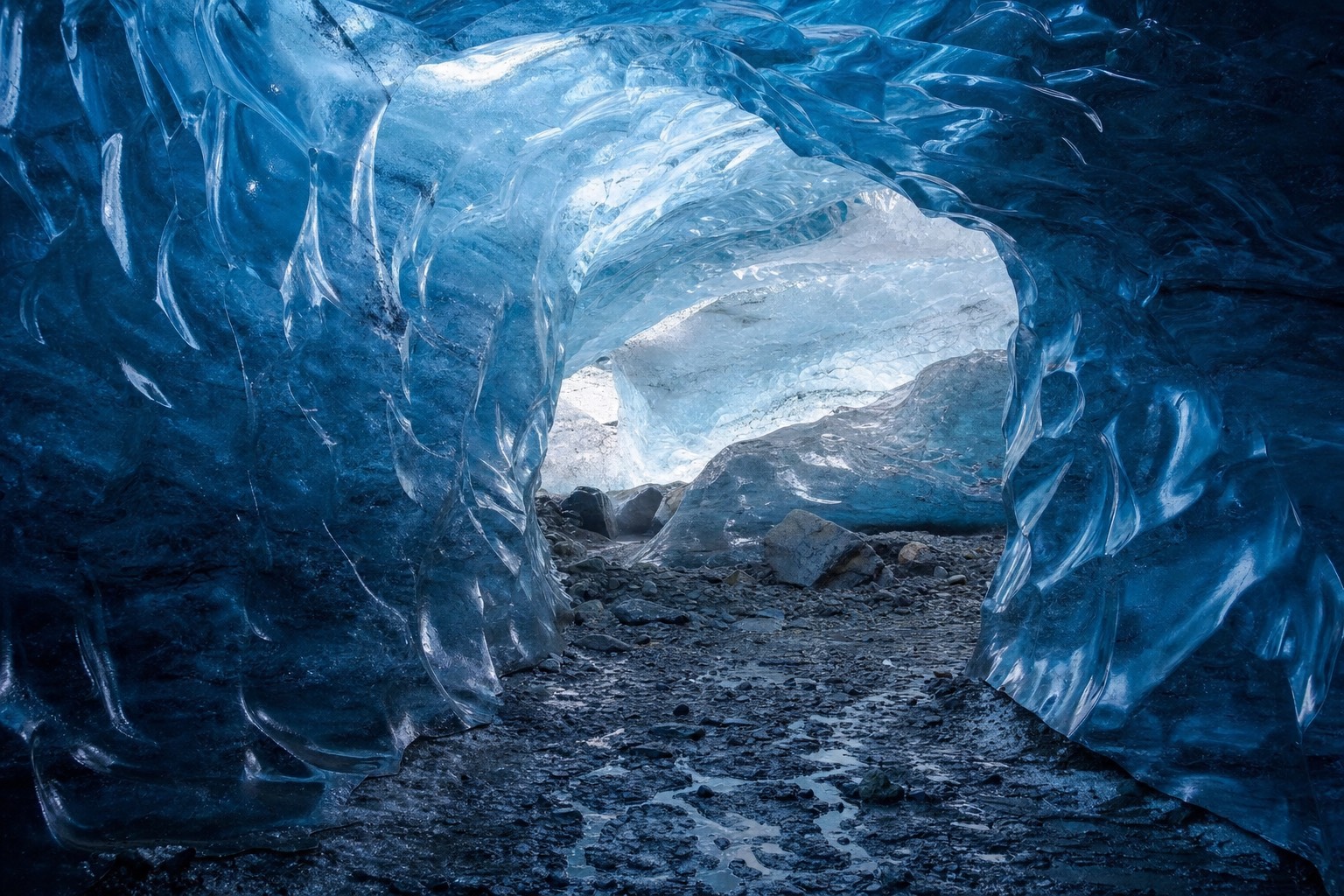
The first time you crouch through the mouth of a natural ice cave and stand up inside, the light changes colour on your skin. Everything turns a deep, backlit blue, the kind of blue you half suspect has been dialled up in a photo until you are standing in it. Water drips somewhere. The glacier above you creaks, a slow settling sound that reminds you this is a living thing and not a film set. I have gone down into these caves off-season with certified colleagues who read the ice for a living, and it still stops me every time. It also is not for everyone, and it is not what most people think it is when they book. So here is the honest version.
Is a natural ice cave in Iceland worth it?
For the blue alone, yes. Standing inside a natural glacier cave is a genuine once-in-a-lifetime sight, and no photo prepares you for it. The honest caveats: it runs only in winter, cancels often for weather, the famous caves get crowded, it costs extra on top of everything, and you must go with a certified guide.
I do not hand out "worth it" lightly, because a lot of Iceland gets oversold. This one earns it. The colour comes from dense, compressed glacier ice that has squeezed the air out over centuries, so it absorbs every wavelength except blue. On a bright, cold day with the sun angling through the roof, the effect is unreal.
What you are paying for is not just a look, though. It is access to something that reshapes itself every single year. A cave that was cathedral-sized last February may have collapsed and reformed somewhere else by this one. That impermanence is the whole appeal and also the reason it comes with so many strings attached. If you want the wider view of the region these caves sit in, my honest take on whether Jökulsárlón glacier lagoon is worth it sets the scene.
What is a natural blue ice cave, and how is it different from a man-made one?
A natural cave is carved by meltwater inside a moving glacier, mostly under Vatnajökull, and it exists only in the cold months. A man-made cave, like the Langjökull ice tunnel, is machine-cut and open year-round. Katla, under Mýrdalsjökull, sits between the two: a natural cave that stays accessible across the seasons.
This distinction matters more than most booking pages admit. When people picture "the Iceland ice cave" they usually mean the natural blue caves under Vatnajökull, reached on tours from the Jökulsárlón and Höfn side of the country. Those are the deep-blue, once-a-year formations. They are also the ones that vanish in summer when the glacier floods with meltwater. If you are here in the cold months and want the real thing, plan it as a separate guided glacier outing from the Jökulsárlón or Höfn side.
If you are travelling outside winter, or you simply want a guaranteed, lower-risk version, the alternatives are real and honest options. The Langjökull tunnel is engineered, stable, and reliably open. Katla near Vík is a natural cave that operators run year-round, often on a black-ice tour that looks very different from the pure blue. Neither is a lesser choice, they are just a different promise.
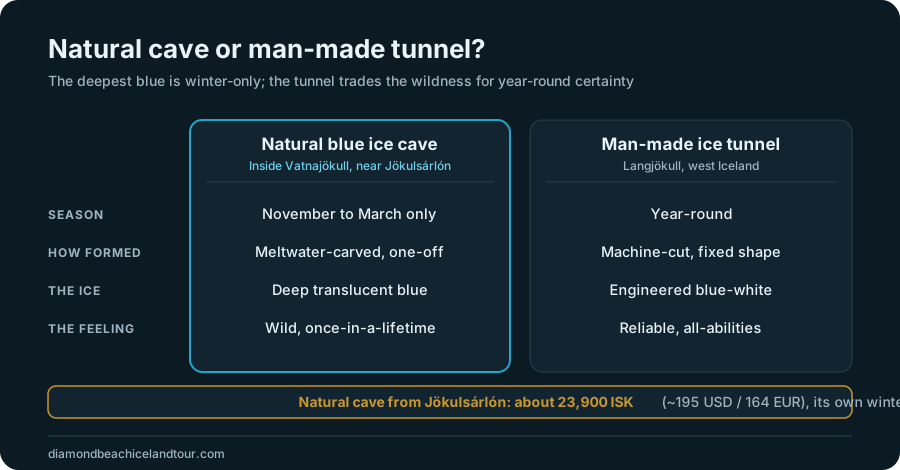
| Natural blue ice cave | Man-made ice tunnel | |
|---|---|---|
| Where | Inside Vatnajökull, tours from Jökulsárlón / Höfn | Langjökull, west Iceland |
| Season | Roughly November to March | Year-round |
| How it formed | Meltwater carving the glacier, never the same twice | Excavated by machine, fixed shape |
| The ice | Deep translucent blue, changes yearly | Engineered blue-white walls |
| Guide | Certified guide mandatory | Guided, lower risk |
| The feeling | Wild, unpredictable, once-in-a-lifetime | Reliable, comfortable, all-abilities |
For a fuller breakdown of which operator and which cave to pick, my guide on which ice cave tour is best in Iceland compares the main options side by side.
Who is a natural ice cave tour worth it for?
It is worth it for winter visitors chasing the blue, photographers, and anyone treating the cave as a headline experience rather than a quick add-on. It is a weaker call for summer travellers (the natural caves are closed), for people on a tight one-day schedule from Reykjavík, and for those uneasy on uneven, slippery ice.
The single biggest predictor of a good time is whether you came for this specifically. People who build a winter day around the cave, dress for it, and accept a possible weather cancellation almost always come out grinning. People who tack it on as an afterthought tend to feel the cost and the cold more than the wonder.
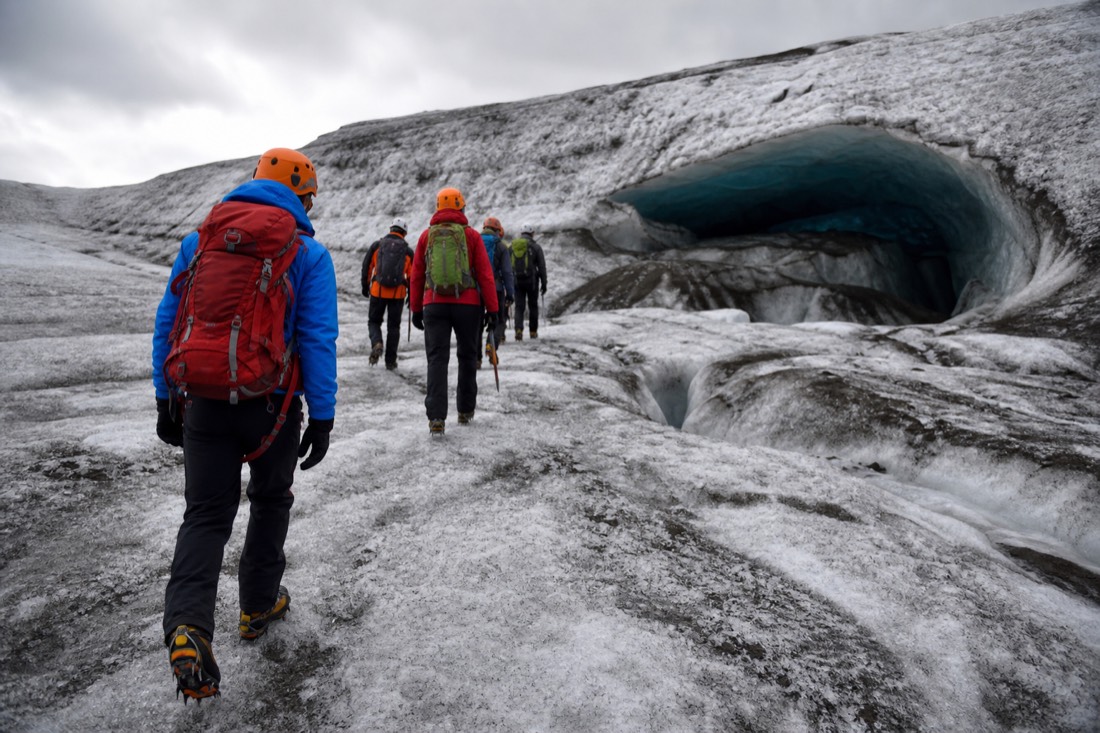
Mobility is worth an honest word too. You wear crampons, you walk on the glacier, and getting into some caves means a short scramble or a stoop through a low entrance. It is not extreme, but it is not a stroll either. Certified guides fit you with the gear and set the pace, which is exactly why the certification rule exists.
| Traveller | Worth it? | Why |
|---|---|---|
| Winter visitor chasing the blue | Yes | The only window the natural caves open |
| Photographer | Yes | The light inside is unlike anything else in Iceland |
| Summer traveller | Not for the blue cave | Natural caves closed; consider Katla or Langjökull |
| Tight day trip from Reykjavík | Often no | A separate half-day that will not fit the lagoon coach |
| Nervous on ice / limited mobility | Depends | Crampons and some scrambling; ask the operator first |
| Budget-focused | Maybe not | Adds around 20,000+ ISK on top of your other plans |
What actually affects the experience: weather, crowds, cost, and season?
Four things decide your day. Weather can cancel it outright, and often does in winter. The popular caves get genuinely crowded, so timing matters. Cost runs to roughly 23,900 ISK from the Jökulsárlón side. And the season is short: natural blue caves are a November-to-March thing, no exceptions.
Weather is the one people underestimate. These tours cancel for storms, high avalanche risk, and glacial flooding, and a responsible operator will pull the plug rather than risk it. The upside is that reputable companies refund in full or reschedule when they cancel, so you are not out of pocket, just out of luck for that slot. Build a buffer day if the cave is a must.
Crowds are the other honest gripe. The best-known Vatnajökull caves are popular enough that tour buses stack up, and you can find yourself queuing to photograph a space that felt private in the brochure. Official Iceland safety guidance at safetravel.is is worth a read before any glacier trip, and going with a smaller operator or an early departure helps thin the crowd.
| Factor | The honest reality |
|---|---|
| Weather | Frequent winter cancellations; refunds or reschedules are standard |
| Season | Natural blue caves run roughly November to March only |
| Crowds | The famous caves get busy; early slots are calmer |
| Cost | About 23,900 ISK from Jökulsárlón, on top of transport and other tours |
| Guide | Certified guide legally required inside the national park |
| The ice | Different every year; some seasons the blue is deeper than others |
Timing your whole visit around the open window is its own topic. My guide on ice cave season and the best months walks through when to go and why the shoulder weeks are a gamble.
Does the Jökulsárlón day trip include an ice cave?
No, and this trips up a lot of first-time bookers. The featured full-day coach from Reykjavík visits Jökulsárlón Glacier Lagoon and Diamond Beach; it does not go inside an ice cave. A natural cave is a separate, specialist winter tour with its own certified glacier guide, booked on its own.
I want to be very clear here, because the two get blurred constantly. The long day trip down the South Coast is a lagoon-and-beach experience. It stands at the edge of the ice, it does not take you under it. Ice caving is a different product, run by glacier-guiding specialists who are certified and equipped for the surface of Vatnajökull itself. Iceland's national park authority is explicit that ice-cave tours must run with certified guides as risk-assessed trips, and self-entry is not allowed. You can read the park's own position at Vatnajökull National Park.
So how do most people actually do both? They take the day tour to see the lagoon and the black-sand beach, then add a dedicated cave tour on a separate day if they are staying near the glacier. If the lagoon and Diamond Beach are your priority, book the guided Jökulsárlón & Diamond Beach day trip and check live availability and prices on GetYourGuide, then treat any ice cave as its own winter add-on rather than something bundled in.
So, is the ice cave in Iceland worth it?
Worth it, with eyes open. If you are here in winter, you have a buffer day for weather, and the blue is the thing you came for, a natural Vatnajökull cave is one of the best few hours you will spend in Iceland. If you are visiting in summer, on a rigid schedule, or hoping it comes free with a lagoon day trip, adjust the plan before you adjust your expectations.
The mistake is not booking a cave. The mistake is booking the wrong version for your trip, or assuming the coach to Jökulsárlón will slip you under the glacier along the way. It will not. Keep the two separate in your head and both get better: the day tour gives you the lagoon and the beach without the winter risk, and the cave, on its own dedicated day, gives you that impossible blue.
My own advice to anyone standing where you are now: if the calendar and the forecast line up, go. Wear more layers than you think you need, take the early slot to beat the buses, and let a certified guide pick the cave that is safe and stunning this particular winter. It changes every year, which is exactly why it is worth seeing this one.
Your Next Step
Choose by travel period, local starting point and physical fit
Initial editorial suggestion. Confirm your date and party requirements with the operator.
Have a travel date and Jökulsárlón stay in mind? Check the local blue-ice departure and walking requirements before arranging transport or another glacier activity.
Ages 10+. A cave is not guaranteed: the route may visit a blue-ice canyon, tunnel or other feature. Requires general fitness and uneven-ground walking; not suitable for mobility impairments.
Refine Your Choice And View Alternatives
Jökulsárlón: The Original Ice Cave Tour on Vatnajökull
Around 2.5–4 hours from Jökulsárlón, with an English-speaking glacier guide, modified 4x4 transport and safety equipment.
This tool compares tour formats, meeting points, listed ages, seasonal windows and duration. Seasonal guidance is not live availability. It does not confirm availability or personal suitability. Local activities do not include the drive from Reykjavík; leave extra time for travel and check-in.
From Vik: Katla Ice Cave and Super Jeep Tour: A Super Jeep outing from Vík with a guided Katla cave visit, crampons and helmet. Select the Vík departure option. Ages 6+. Cave appearance changes. Confirm the chosen option’s duration and language before booking; Reykjavík departures are a different option.
From Húsafell: Into the Glacier Ice Cave Adventure: A guided trip from Húsafell into the engineered Langjökull ice tunnel, with glacier truck transport and supplied equipment. A man-made tunnel, not a natural cave. All ages with an adult; not suitable for mobility impairments. Confirm departure duration and guide language for your option.